The Seas Surrounding Ukraine: A Maritime Overview
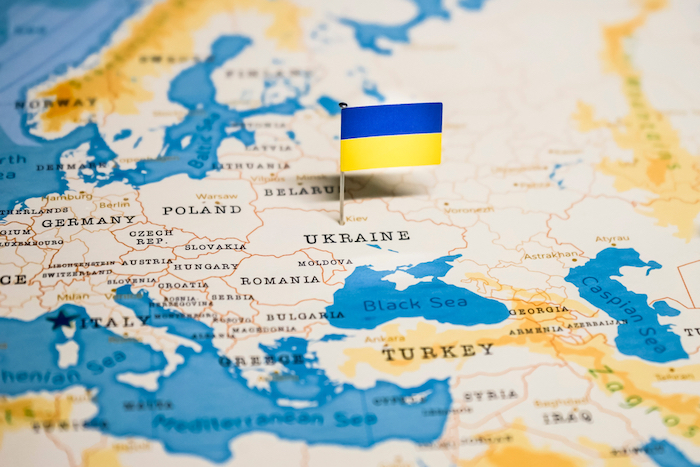
Nestled in Eastern Europe, Ukraine boasts a diverse geography that includes expansive plains, mighty rivers, and a coastline along the Black Sea. This article aims to provide a comprehensive understanding of the seas that Ukraine is washed by, delving into the unique characteristics, economic significance, and environmental importance of each sea.
1. The Black Sea
Dominating Ukraine’s southern border, the Black Sea is a significant maritime feature for the country. With a total area of approximately 436,402 square kilometers, it is the world’s largest inland sea. Ukraine’s coastline stretches for around 2,782 kilometers along the northeastern shore of the Black Sea, making it a vital gateway to international trade and tourism. This sea supports a wide range of marine life, including over 200 fish species, contributing to Ukraine’s fishing industry. Additionally, the Black Sea provides opportunities for recreational activities such as swimming, sailing, and diving.
2. The Sea of Azov
Nestled between Ukraine and Russia, the Sea of Azov is a smaller inland sea with an area of around 39,000 square kilometers. Ukraine’s coastline along the Sea of Azov spans approximately 466 kilometers. It serves as an essential transportation route for Ukraine, providing access to the global market through ports like Mariupol and Berdyansk. The Sea of Azov also supports a diverse ecosystem and sustains a thriving fishing industry, particularly for species like herring, anchovy, and flounder. However, environmental challenges such as pollution and overfishing pose threats to its delicate balance.
3. The Kerch Strait
Connecting the Black Sea to the Sea of Azov, the Kerch Strait plays a pivotal role in Ukraine’s maritime activities. With a length of approximately 30 kilometers and a width of 4 to 15 kilometers, the strait serves as a natural border between Ukraine and Russia. It is a vital shipping lane for vessels entering and exiting the Sea of Azov, facilitating trade and transportation of goods. However, political tensions in the region have led to significant challenges, including access restrictions and conflicts over control.
4. The Dnieper-Bug Estuary
Situated in southern Ukraine, the Dnieper-Bug Estuary is an important natural feature formed by the confluence of the Dnieper and Bug rivers. This estuary connects the Black Sea with the Dnieper River and offers a diverse ecosystem characterized by marshes, sandbars, and lagoons. The estuary’s rich biodiversity supports various species of fish, birds, and plants, attracting nature enthusiasts and providing opportunities for eco-tourism. However, pollution from industrial activities and agricultural runoff poses challenges to its fragile ecosystem.
Ukraine’s coastal geography offers it access to the Black Sea, the Sea of Azov, and the Kerch Strait, forming vital gateways for maritime trade, tourism, and recreational activities. These seas provide opportunities for economic growth through fishing, transportation, and international connections. However, environmental concerns such as pollution and overfishing must be addressed to ensure the long-term sustainability of these precious marine ecosystems. By recognizing the significance of these seas, Ukraine can foster responsible stewardship, promote conservation efforts, and harness the immense potential that these maritime resources offer.